Casa Fernao Magalhaes
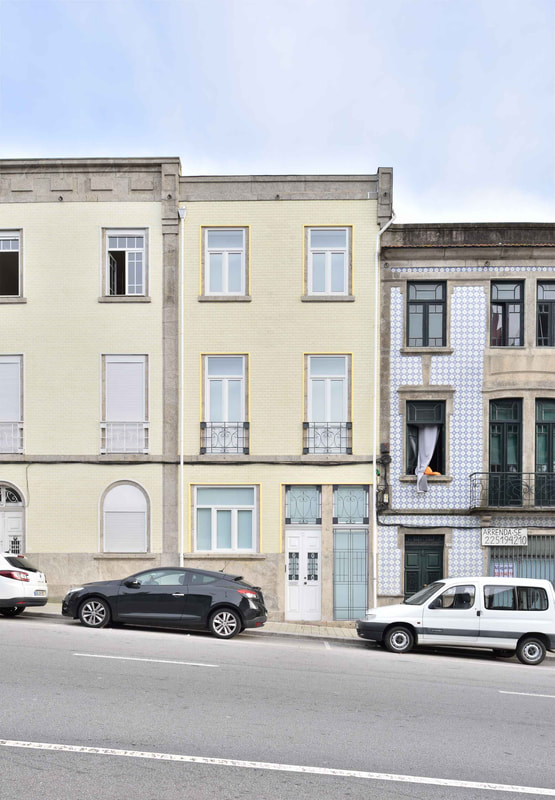
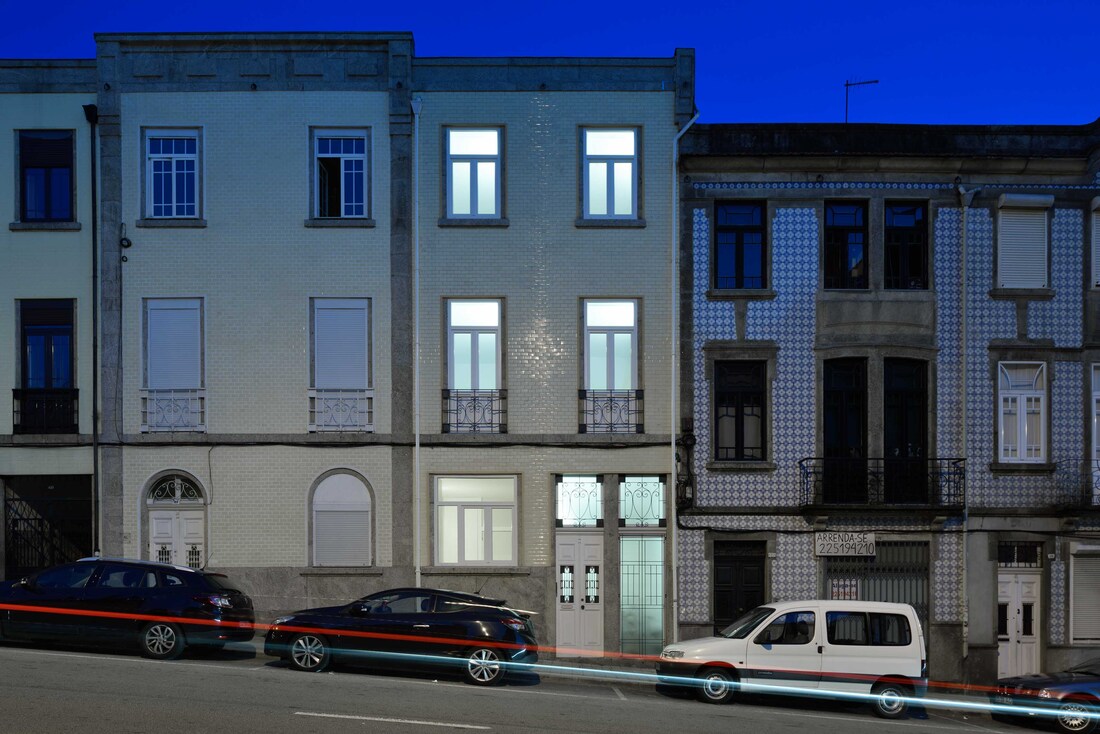
This project explores the rehabilitation of a traditional residential building in the city of Porto, adapting it into student housing while preserving its material, structural and cultural identity. The intervention is grounded in a pragmatic approach to construction, where architectural quality emerges from careful detailing, constructive logic and close collaboration with skilled local craftsmen. Rather than relying on complex systems or expensive materials, the project demonstrates how simplicity, precision and knowledge of local building traditions can generate durable and spatially rich architectural solutions.
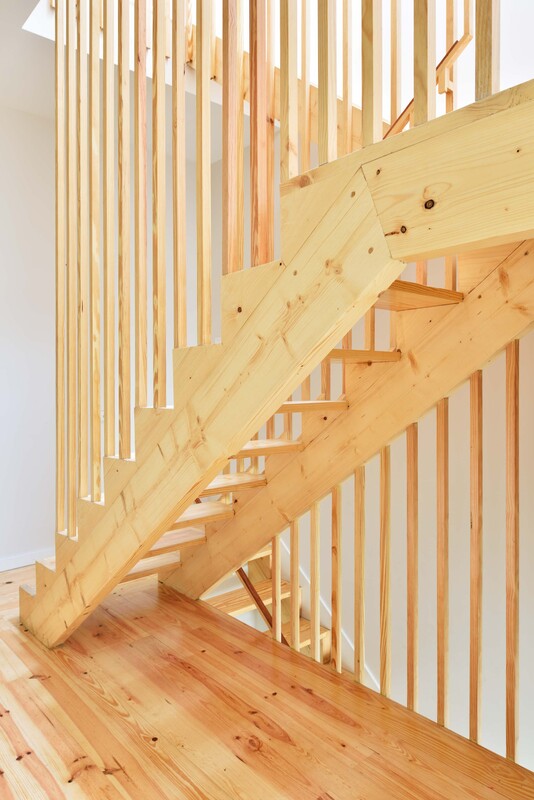
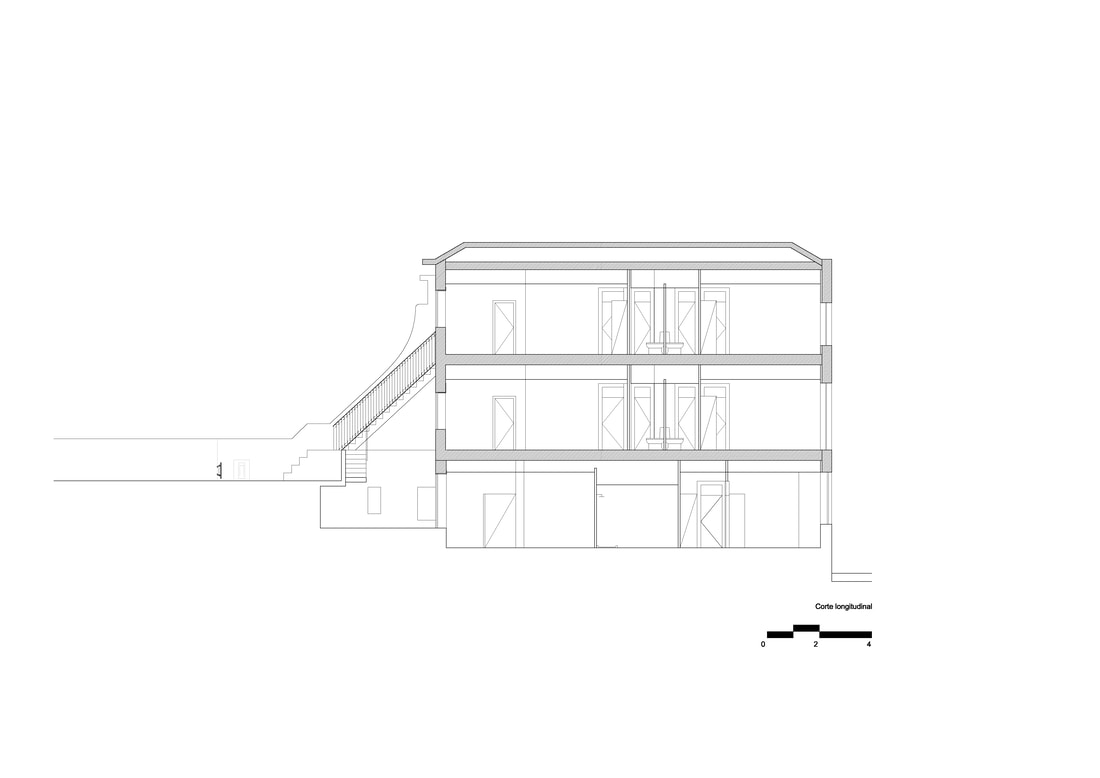
This student housing project is located in the central area of Porto. The quality of construction is the result of close collaboration with skilled local craftsmen, whose experience allowed the development of precise and refined construction details using simple and affordable materials. In particular, the carpenter Mr. Oscar Mota played a decisive role in the resolution of the staircase design.
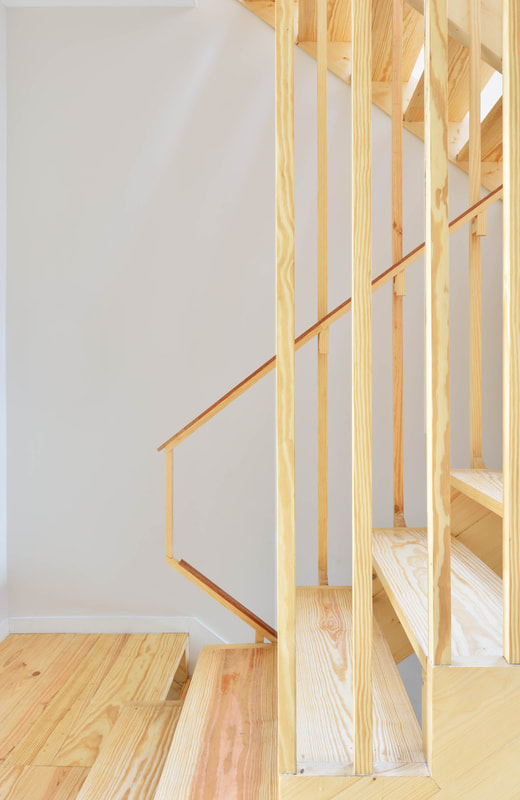
The interior staircase was developed following traditional wooden staircase models typical of the region. As a conceptual reference, the staircase of the Museu do Moinho de Papel in Leiria, designed by Álvaro Siza, was carefully studied and reinterpreted.
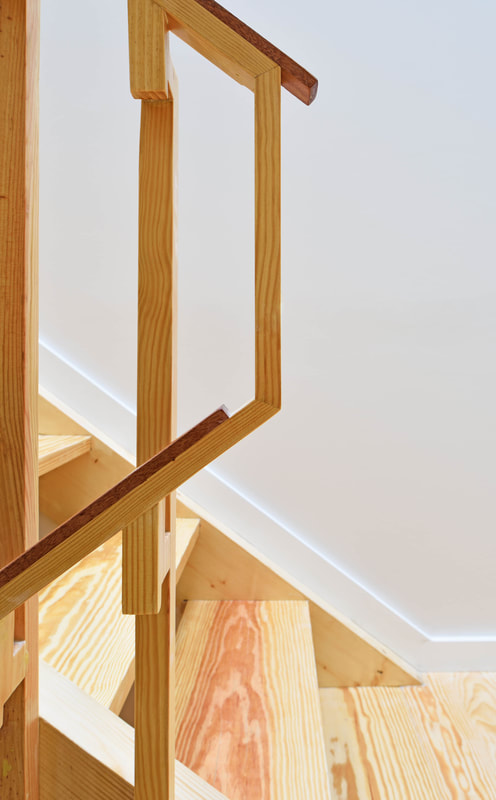
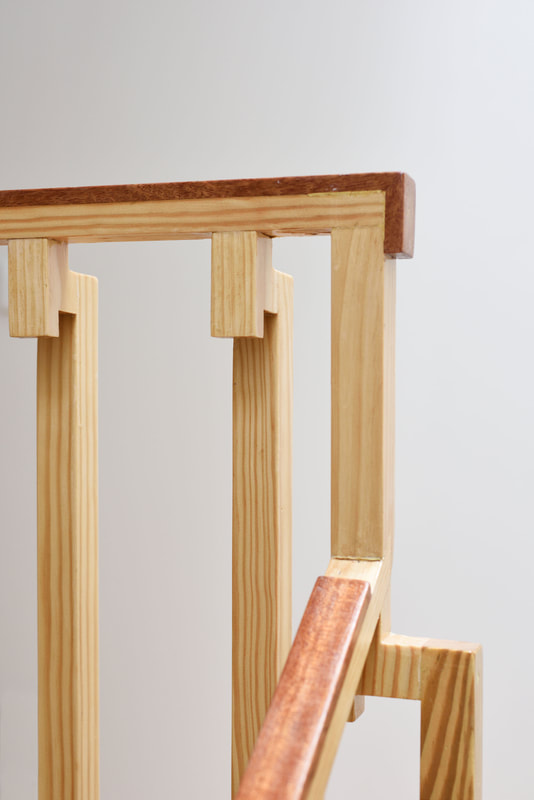
The handrail acts as a spatial and luminous filter, mediating the natural light coming from the skylight and diffusing it towards the common areas of the house. Its design was conceived to minimize the footprint within the corridor, taking inspiration from the handrail solution developed by Cesare Cattaneo for the Cattaneo House in Cernobbio.
Pine wood was selected for the stair structure, floor structures and pavements. This choice was driven by economic and technical considerations, as pine is currently the most affordable construction wood available in the Porto region, excluding eucalyptus. Eucalyptus wood, despite its low cost, was avoided due to its high resin content and significant thermal deformation, which make it unsuitable for precise construction work.
The upper surface of the handrail is finished with a 1.5 cm layer of mahogany wood, chosen for its higher density and durability compared to pine, making it more appropriate for continuous hand contact.
The kitchen countertop and the ground floor pavement are made of cement, reinforcing the material contrast between communal and private areas. All other floors are wooden, with the exception of bathrooms, which are finished with ceramic tiles. Portions of the original hydraulic mosaic pavement were preserved and integrated into the new layout.
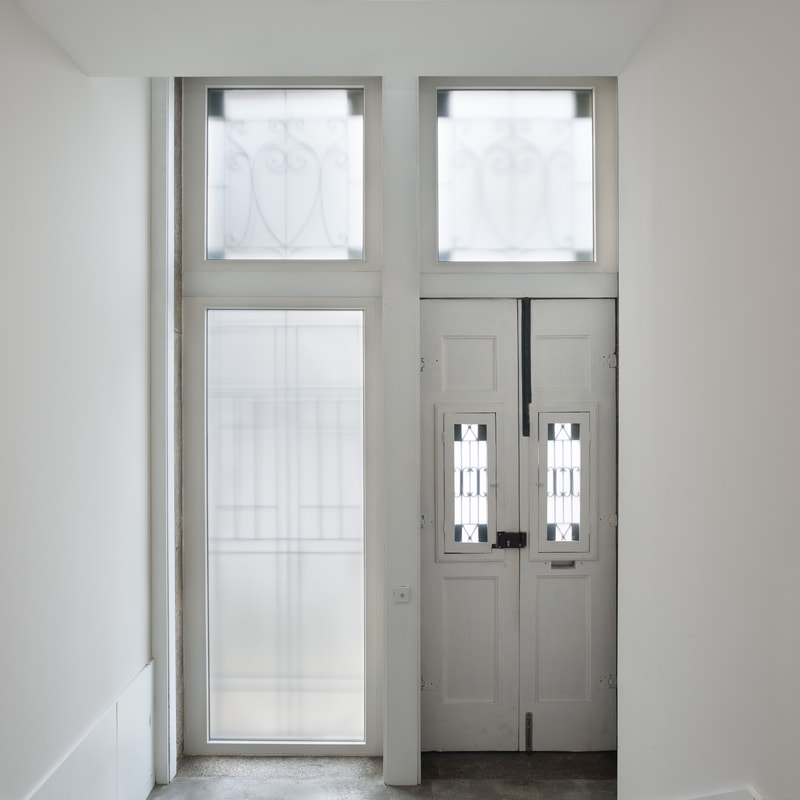
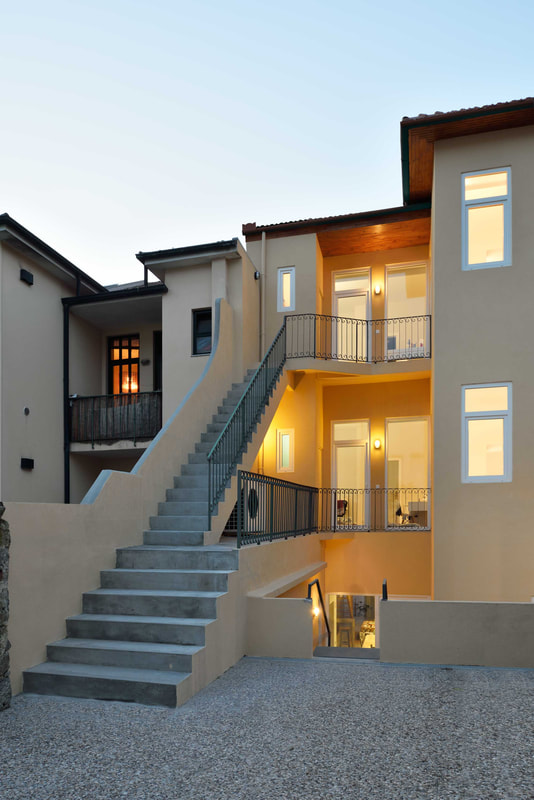
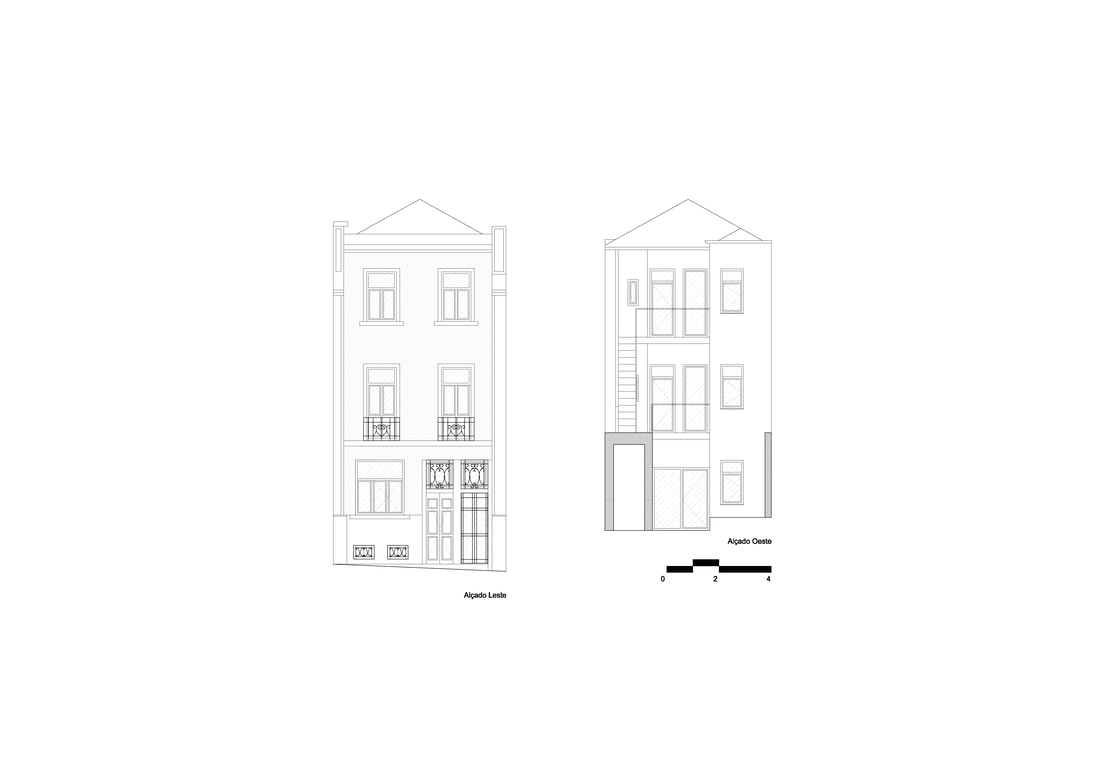
All valuable elements of the original construction were carefully restored and maintained, including the hydraulic mosaic flooring and the iron handrail of the exterior staircase.
Traditional houses in Porto are characterized by continuous stone structural walls, a construction system that is increasingly rare in Europe. For this reason, selected portions of the original stone structure were left exposed, emphasizing the historical character of the building and its constructive logic.
Lighting throughout the house is predominantly indirect, designed to enhance visual comfort and avoid glare in daily use.
The city center of Porto experienced a significant phase of redevelopment starting in 2015. The construction sector recovered from the European crisis largely due to renewed investor interest in the city’s previously undervalued architectural heritage. At that time, property prices in the historic center were lower than in peripheral areas, largely because nearly 30% of the buildings were abandoned in 2010. Combined with relatively low construction costs, these conditions made Porto an attractive context for investment. The intervention carried out in the building on Avenida Fernão de Magalhães fully leveraged this favorable scenario.